Comprehending the Relevance of Aluminum Casting in Modern Manufacturing Processes
Aluminum spreading has emerged as a crucial part in modern production. Its light-weight and sturdy nature adds substantially to various industries, from automobile to electronics. Additionally, advancements in casting techniques enhance production efficiency and high quality. As makers look for cutting-edge options, the duty of light weight aluminum spreading in sustainability comes to be significantly significant. This conversation will certainly discover the complex relevance of light weight aluminum spreading and its ramifications for the future of manufacturing. What lies ahead in this evolving landscape?
The Benefits of Light Weight Aluminum Spreading in Manufacturing
Light weight aluminum casting offers various benefits that boost its allure in modern manufacturing procedures. One major advantage is its light-weight nature, which causes reduced power consumption and boosted gas efficiency in transport applications. In addition, light weight aluminum's outstanding deterioration resistance extends the lifespan of actors products, making them more resilient in different environments. The product also promotes intricate geometries and elaborate designs, permitting makers to create parts that satisfy precise requirements.
Additionally, aluminum spreading boasts a reasonably reduced melting point, which conserves energy throughout the production procedure. This feature likewise makes it possible for fast cycle times, raising total efficiency. The recyclability of aluminum adds to sustainability initiatives, as recycled aluminum needs significantly less energy to procedure contrasted to primary light weight aluminum. Collectively, these benefits position aluminum casting as a crucial method in modern production, catering to the demands for performance, efficiency, and ecological responsibility.

Applications of Light Weight Aluminum Casting Throughout Industries
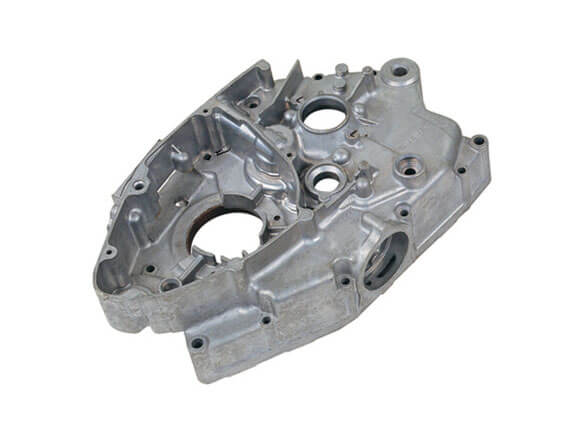
While numerous materials are utilized in production, aluminum casting has actually become a pivotal approach throughout multiple markets as a result of its flexibility and functionality. This procedure is extensively utilized in the automobile sector for generating light-weight engine blocks, transmission instances, and various elements that boost fuel efficiency. In the aerospace industry, light weight aluminum spreading is essential for creating detailed parts that need high strength-to-weight proportions, adding to boosted aircraft efficiency.
The electronic devices industry relies on aluminum castings for warmth sinks and real estates, where thermal monitoring is crucial for gadget longevity. The construction sector additionally profits from light weight aluminum casting in the kind of building elements and structural elements that incorporate aesthetic appeal with resilience. Additionally, the customer products industry uses aluminum spreadings for kitchenware and sporting tools, leveraging the material's outstanding corrosion resistance and visual surface. Overall, light weight aluminum casting offers as a foundation in modern production, supporting varied applications across various areas.
The Role of Light Weight Aluminum Casting in Sustainability
Sustainability has ended up being a focal factor in producing practices, and light weight aluminum casting plays a vital function in advertising eco pleasant options. The procedure of aluminum spreading is inherently lasting due to the material's recyclability. Aluminum can be recycled numerous times without losing its residential properties, considerably lowering power usage and raw material demands. This reusing process takes in just about 5% of the power needed for main light weight aluminum production, causing browse around this site a noteworthy decline in carbon emissions.
Moreover, light weight aluminum casting facilitates the production of light-weight parts, which add to energy efficiency in different applications, specifically in the automobile and aerospace fields. Lighter vehicles consume less fuel, further reducing ecological impact. Additionally, advancements in casting techniques are optimizing material use, reducing waste in manufacturing processes. As industries look for to straighten with sustainability goals, light weight aluminum spreading becomes a feasible solution, sustaining a round economic climate and promoting responsible production techniques
Technical Innovations in Light Weight Aluminum Spreading Techniques
As markets progress, the adoption of innovative technologies in aluminum casting techniques has actually changed producing processes. The integration of computer-aided design (CAD) and computer-aided manufacturing (WEB CAM) systems boosts precision and efficiency, permitting complicated geometries that were previously challenging to generate. Advanced melting and spreading methods, such as die casting and investment spreading, have actually improved the top quality of light weight aluminum parts, minimizing and reducing defects waste. In addition, the intro of automated systems and robotics in casting operations has structured process and increased performance. These advancements likewise enable real-time tracking and data analytics, promoting much better decision-making and quality control. In addition, the development of new alloys and heat therapy processes has increased the performance capacities of cast light weight aluminum products. Jointly, these technical improvements not just optimize production performance but additionally add to the sustainability of aluminum spreading in modern production.
Future Fads in Aluminum Spreading and Its Effect On Innovation
Arising trends in light weight aluminum casting are positioned to reshape the production landscape, driving technology throughout numerous fields. One considerable trend is the combination of sophisticated automation and robotics, which boosts accuracy and performance in production processes. Furthermore, the rise of additive production strategies is enabling much more complicated layouts, reducing material waste and production time. As sustainability ends up being a concern, the sector's focus on recycling aluminum and using green practices is expected to expand, aligning with global environmental goals.
The advancement of wise casting modern technologies, consisting of real-time tracking and data analytics, is set to improve quality control and operational efficiency. These developments will facilitate the manufacturing of lighter, more powerful, and extra sturdy light weight aluminum elements, satisfying sectors such as vehicle and aerospace. Eventually, these patterns will not just enhance producing processes but also motivate new applications of aluminum spreading, promoting a culture of innovation and flexibility on the market.
Frequently Asked Inquiries
What Is the History of Aluminum Spreading in Manufacturing?
Just How Does Light Weight Aluminum Casting Compare to Various Other Metals?
Light weight aluminum casting deals advantages such as imp source light-weight buildings and deterioration resistance compared to other steels. Aluminum Casting Company. It enhances and facilitates intricate shapes power effectiveness, making it a preferred selection in different production applications over heavier choices like steel or iron
What Are the Common Issues in Aluminum Spreading?
Common flaws in aluminum spreading include porosity, contraction, misruns, and additions. These concerns can arise from incorrect putting techniques, insufficient mold and mildew style, or infected products, leading to lessened structural stability and efficiency of the final product.
Exactly how Is the High Quality of Light Weight Aluminum Castings Tested?
The quality of light weight aluminum castings is tested through approaches such as aesthetic assessments, dimensional dimensions, non-destructive testing techniques, and mechanical home analyses, ensuring that they meet specified criteria for performance and structural stability.

What Are the Safety And Security Measures in Light Weight Aluminum Casting Processes?
Precaution in aluminum casting procedures include using personal safety devices, correct ventilation systems, regular devices maintenance, training workers on threats, and executing rigorous emergency situation protocols to reduce threats associated with high temperature levels and molten steel.
The recyclability of light weight aluminum adds to sustainability initiatives, as recycled aluminum requires substantially much less power to procedure contrasted to key light weight aluminum. While various materials are employed in manufacturing, aluminum spreading has actually come to be a pivotal method across multiple sectors due to its flexibility and performance. Advanced melting and casting techniques, such as die casting and investment spreading, have actually boosted the top quality of light weight aluminum components, decreasing and lessening issues waste. Arising patterns in light weight aluminum spreading are positioned to reshape the manufacturing landscape, driving advancement across various sectors. Aluminum spreading has advanced given that the late 19th century, at first establishing with the introduction of aluminum as a light-weight metal.